

Currently, lifestyle-related diseases, also known as non-communicable diseases (NCDs), have emerged as significant contributors to morbidity and mortality. These conditions, such as hypertension, diabetes mellitus, obesity, and metabolic syndrome, share common etiological factors and often coexist or lead to one another. This article delves into the intricate interrelationship between these diseases, their underlying causes, and the steps that can be taken for prevention and management.
Interrelationship Among Lifestyle-Related Diseases
The Vicious Cycle
Cardiovascular Disease and Diabetes Mellitus: Patients with type 2 diabetes are predisposed to cardiovascular complications like ischemic heart disease, stroke, and peripheral arterial disease. Conversely, metabolic syndrome, often a precursor to cardiovascular disease, can lead to insulin resistance.
Obesity and Metabolic Syndrome: Obesity is both a cause and a consequence of metabolic syndrome. The syndrome itself predisposes individuals to developing further complications such as hypertension and dyslipidemia.
Chronic Respiratory Diseases and Cardiovascular Disease: Conditions like chronic obstructive pulmonary disease (COPD) have systemic effects that can adversely affect cardiovascular health. For instance, systemic inflammation in COPD may trigger or worsen atherosclerosis.
Pathophysiological Links
Inflammation: Chronic inflammation serves as a cornerstone in the pathophysiology of many lifestyle diseases.
Inflammation is like your body’s emergency response team that rushes to fix injuries or fight off infections. But when this response stays “switched on” all the time due to unhealthy lifestyle choices, it can do more harm than good. Think of chronic inflammation as a fire that’s always burning, slowly damaging your body’s internal organs and systems. Over time, this constant low-level inflammation can mess up the way your body processes sugar, store fat, and even manage stress, leading to a range of lifestyle-related diseases like diabetes, heart disease, and obesity. So, keeping inflammation in check is crucial for staying healthy.
Insulin Resistance: This often serves as a common thread linking obesity, diabetes, and metabolic syndrome.
Insulin is like a key that helps your body use sugar from the food you eat for energy. When you have insulin resistance, it’s as if the locks on the cells become rusty, making it hard for the insulin “key” to work properly. This causes sugar to build up in your blood instead of being used or stored. Over time, high blood sugar can lead to various health problems like diabetes. But it doesn’t stop there; insulin resistance also makes it easier to gain weight and harder to lose it, increases bad cholesterol levels, and even raises your blood pressure. All of these issues are interconnected and can lead to a host of lifestyle-related diseases like heart disease and metabolic syndrome.
Oxidative Stress: A shared factor in the pathogenesis of several NCDs.
Oxidative stress is like the rust that forms on a car over time. In our bodies, it happens when there are too many harmful molecules called “free radicals” that start to damage our cells, much like how rust damages a car. This damage can add up and cause various problems, from speeding up aging to making it easier for diseases to take hold. In fact, oxidative stress is linked to a number of lifestyle-related diseases like heart disease, diabetes, and even certain cancers. So, just as you’d want to protect your car from rust, you also want to protect your body from oxidative stress to stay healthy.
Underlying Causes
Behavioral Factors
- Sedentary Lifestyle: Lack of physical activity contributes significantly to weight gain and insulin resistance.
- Poor Diet: Diets high in saturated fats, trans fats, and refined sugars contribute to obesity and metabolic imbalances.
- Tobacco and Alcohol Use: Both are risk factors for multiple NCDs, including cardiovascular diseases and certain types of cancer.
Environmental Factors
- Pollution: Air quality can affect respiratory and cardiovascular health.
- Occupational Hazards: Long hours, especially in a sedentary job, can contribute to lifestyle diseases.
Genetic Predisposition
While not modifiable, genetic factors can predispose individuals to NCDs.
What can you do?
Lifestyle Modifications
Diet: Adopt a balanced diet rich in fruits, vegetables, and lean proteins.
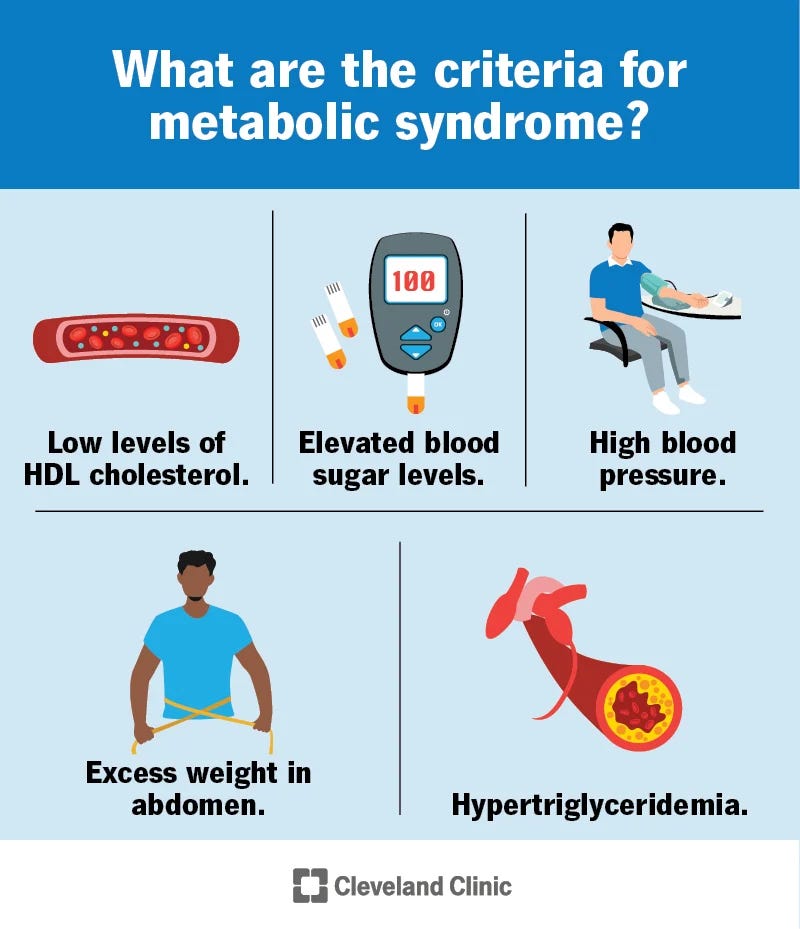
Diet plays a pivotal role in the management of metabolic syndrome, a cluster of conditions including elevated blood sugar, high blood pressure, abnormal lipid profiles, and obesity. Metabolic syndrome is often a precursor to more severe conditions such as cardiovascular diseases and Type 2 diabetes. A targeted dietary approach can modulate each component of the syndrome, offering a multipronged therapeutic strategy.
Glycemic Control. A diet rich in low-glycemic index foods, like whole grains and leafy vegetables, can aid in stabilizing blood sugar levels. These foods release glucose more slowly into the bloodstream, thus lowering insulin demand and mitigating insulin resistance.
Lipid Profile. Including healthy fats, such as those found in olive oil, avocados, and fatty fish, can improve lipid profiles. These fats can lower low-density lipoprotein (LDL) cholesterol levels while increasing high-density lipoprotein (HDL), reducing the risk of atherosclerosis.
Blood Pressure. Diets rich in potassium, often found in fruits like bananas and oranges, can help manage blood pressure. Lower sodium intake is also advised, as high sodium can exacerbate hypertension.
Weight Management. High fiber foods like fruits, vegetables, and legumes can induce satiety, reducing overall caloric intake and aiding in weight loss. Lowering body weight directly improves metabolic parameters and reduces the strain on the cardiovascular system.

Anti-Inflammatory Effect. Foods rich in antioxidants, such as berries and green tea, can mitigate the systemic inflammation often associated with metabolic syndrome. This has downstream effects on insulin sensitivity and vascular health.
Exercise: Aim for at least 150 minutes of moderate exercise per week.
Exercise serves as a potent intervention for metabolic syndrome by addressing its various components: insulin resistance, elevated lipid profiles, hypertension, and obesity. Here’s how exercise impacts these factors:
Insulin Sensitivity. Regular physical activity enhances insulin sensitivity, thereby improving glucose uptake by cells. This helps in regulating blood sugar levels, which is critical for managing or preventing Type 2 diabetes, a key aspect of metabolic syndrome.
Lipid Management. Exercise has been shown to increase levels of high-density lipoprotein (HDL) cholesterol, also known as the “good cholesterol,” while reducing triglycerides. This creates a healthier lipid profile, reducing cardiovascular risk.
Blood Pressure. Aerobic exercises, such as jogging, swimming, or cycling, have proven benefits in lowering systolic and diastolic blood pressure. Exercise-induced vasodilation helps in reducing the arterial stiffness commonly associated with hypertension.
Weight Control. Physical activity increases metabolic rate and burns calories, aiding in weight loss or weight maintenance. Reducing excess body weight, particularly visceral fat, directly improves metabolic parameters and reduces cardiovascular strain.
Anti-Inflammatory Effects. Regular exercise mitigates systemic inflammation, which is often elevated in metabolic syndrome. Reduced inflammation can improve vascular function and enhance insulin sensitivity, thereby serving as a protective factor against chronic diseases.
Exercise Regimen. A balanced regimen combining aerobic exercise, resistance training, and flexibility exercises is generally recommended for the best outcomes. The American Heart Association suggests at least 150 minutes of moderate exercise per week or 75 minutes of vigorous exercise per week, preferably spread throughout the week, for adults.
Other things that you can do:
Stress Management: Techniques such as mindfulness and yoga can aid in stress reduction, thereby mitigating the risk of hypertension and heart disease.
Regular Screening: Lipid Profile, Blood Sugar, and Blood Pressure Monitoring: Regular checks can serve as primary prevention strategies.
Lifestyle-related diseases are interrelated through shared pathophysiological pathways and common etiological factors. An integrative approach, focusing on lifestyle modification, regular screening, and pharmacological interventions, can mitigate the risk and progression of these conditions. By understanding the intertwined nature of lifestyle diseases, clinicians can more effectively strategize prevention and treatment, thereby improving patient outcomes.