
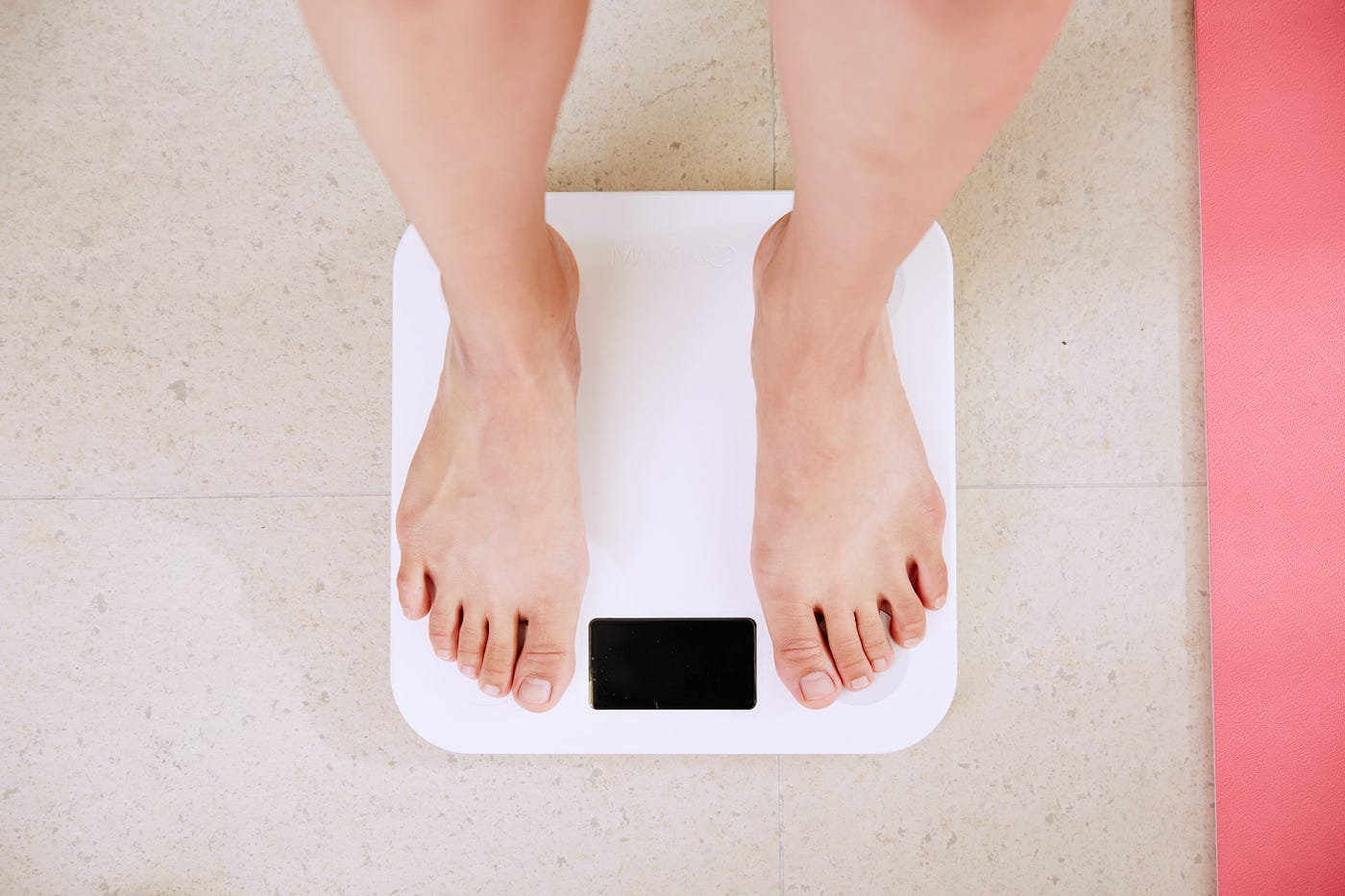
Ah, weight tracking. It’s like trying to keep a relationship with a volatile ex — one minute you’re up, the next you’re down, and sometimes you’re just plain confused. But fear not, my dear reader, for I am here to guide you through the tumultuous waters of weight tracking. Maintaining a healthy weight is an essential component of a healthy lifestyle. However, measuring and tracking weight can be challenging, especially if you don’t have a proper plan in place. In this article, we will discuss some tips on how to properly measure and track weight to help you achieve your health and fitness goals.
Choose a reliable scale:
The first step to measuring and tracking weight is to invest in a reliable scale. There are many options available in the market, from analog to digital, so choose the one that suits your needs and budget. Make sure the scale is calibrated correctly, and the batteries are changed regularly to ensure accurate readings.
Measure at the same time every day:
It’s essential to measure your weight at the same time every day to get consistent results. Ideally, weigh yourself first thing in the morning after using the bathroom, and before eating or drinking anything. This will help eliminate any variations due to food or water intake throughout the day.
Track your weight consistently:
Now, let’s talk about tracking your weight. Some people prefer to do it daily, others weekly, and some even monthly. Whatever your preference, make sure you’re consistent. Don’t weigh yourself one day and then not again for three weeks. That’s like trying to run a marathon without any training — you’re setting yourself up for failure.
Wear the same clothing:
Wearing the same clothing when measuring your weight is also essential to get consistent results. Wearing heavy or bulky clothing can add a few pounds, and wearing light clothing can make you weigh less than you actually are. Wear light clothing or weigh yourself without any clothing for the most accurate measurement. The fewer articles of clothing, the more accurate your weight reading will be.
Keep a record:
When you do weigh yourself, write it down. Whether it’s in a journal or on an app, keeping track of your progress is key. But here’s the thing: don’t get too caught up in the numbers. Yes, tracking your weight can be a helpful tool for measuring progress, but it’s not the only tool. You should also pay attention to how your clothes fit, how you feel, and your overall health. After all, if you’re feeling great and your jeans are fitting better, who cares if the number on the scale hasn’t budged?
For tracking, we recommend digital tools to safely and securely record data that you can easily share with loved ones, caregivers and health providers.

Don’t obsess over the numbers:
While tracking your weight is important, it’s crucial not to obsess over the numbers. Weight can fluctuate daily, depending on various factors such as hydration, food intake, and exercise. Instead, focus on the trend over time and aim for a healthy weight range rather than a specific number.
How do I know what my ideal body weight is?
Your ideal weight depends on various factors such as your age, gender, height, body composition, and overall health status. There are several methods to determine your ideal weight, but one of the most commonly used is the Body Mass Index (BMI).
BMI is a measure of body fat based on your height and weight. It is calculated by dividing your weight in kilograms by your height in meters squared. The resulting number will fall into one of the following categories:
| Underweight | BMI less than 18.5 |
| Normal weight | BMI between 18.5 and 24.9 |
| Overweight | BMI between 25 and 29.9 |
| Obese | BMI above 30 |
While BMI can be a helpful tool in assessing your weight status, it is not always accurate. For instance, it does not take into account your muscle mass or body composition, which can affect your weight classification. For example, a muscular athlete may have a high BMI but a low body fat percentage, making the BMI calculation less meaningful.
Another method to determine your ideal weight is to consult with a healthcare professional, such as a doctor or registered dietitian. They can take into account your individual factors such as your body composition, medical history, and lifestyle to help you determine a healthy weight range for you.
A healthy weight loss journey:
The ideal weight loss is a subjective concept that can vary greatly from person to person. The most important thing to consider is your individual health and goals.
For some people, losing just a few pounds can make a significant difference in their overall health and well-being. Others may need to lose a more substantial amount of weight to achieve their desired results. It is important to consult with a healthcare professional to determine what a healthy and realistic weight loss goal would be for you based on your age, gender, height, current weight, and overall health.
In general, a safe and sustainable rate of weight loss is considered to be around 1–2 pounds per week. This may vary depending on the individual and the approach taken to achieve weight loss. Rapid weight loss, such as losing more than 2 pounds per week, can be harmful to your health and may result in the loss of muscle mass, which can negatively impact your metabolism.
Ultimately, the ideal weight loss is one that is sustainable and improves your overall health and well-being. A balanced approach to weight loss that includes a healthy diet, regular exercise, and lifestyle changes that can be maintained long-term is often the most effective and beneficial way to achieve weight loss goals.
In conclusion, measuring and tracking weight is an essential part of maintaining a healthy lifestyle. By following these tips, you can ensure accurate and consistent measurements and track your progress effectively. Remember to focus on the trend rather than the specific numbers and aim for a healthy weight range that is sustainable for you.
Log and track your weight journey with www.aoidehealth.com.