As we all navigate our way through the sea of health and wellness, one crucial navigation tool is the blood pressure monitor. Whether you have high blood pressure (hypertension), low blood pressure (hypotension), or just like to stay on top of your health metrics, accurate blood pressure readings are essential. So, how do you make sure you’re doing it correctly? Here are some valuable tip
1. Find the Calm Before the Measure
The first step to accurate blood pressure readings is ensuring that you’re in a relaxed state. Rushing through the process can lead to incorrect readings. Sit quietly for at least five minutes before taking your measurement. Use this time to calm your mind and body.
2. Choose the Right Environment
Choose a quiet, comfortable space to take your reading. A clutter-free area where you can sit comfortably will help keep you calm and collected, leading to more accurate results.
3. Say No to Stimulants
Stimulants such as caffeine, alcohol, and tobacco can cause your blood pressure to spike temporarily. It’s recommended to avoid these substances for at least 30 minutes before taking your blood pressure. Also, remember not to exercise just before a reading. Physical activity can also cause a temporary rise in blood pressure.
4. Get Comfortable
You should be seated comfortably in a chair, feet flat on the floor, legs uncrossed. Make sure your back is supported — use a pillow or cushion if necessary. Comfort is key to getting accurate readings.
5. Empty Your Bladder
A full bladder can result in slightly higher readings. To ensure the most accurate results, use the bathroom before measuring your blood pressure.
6. The Bare Necessities
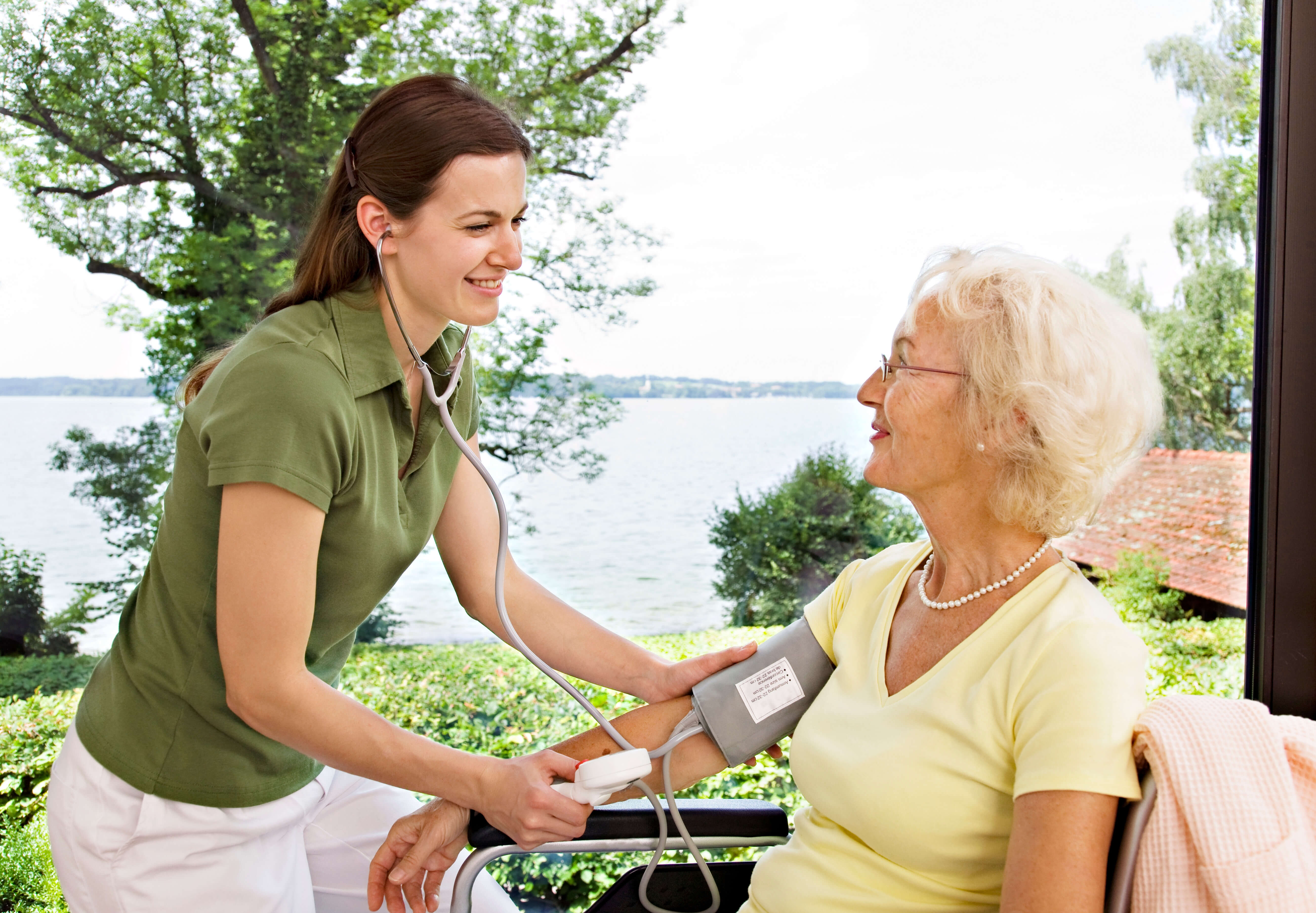
Ensure the cuff is wrapped around a bare arm. Clothing can interfere with the cuff’s ability to measure your blood pressure. If you need to, roll up your sleeves but avoid rolling them too tight as this can constrict your arm and give a false reading.
7. Cuff Size Matters
Using a cuff that’s too large or too small for your arm can give you inaccurate readings. Make sure you’re using the right-sized cuff. Your healthcare provider can help you determine the right cuff size for you.
8. Arm at Heart Level
Whether you’re sitting or lying down, your arm should be at the same level as your heart. This is usually best achieved by placing your arm on a table or armrest.

9. Quiet Please
Try to stay as still and quiet as possible when taking your reading. Talking or moving can lead to an increase in blood pressure, leading to inaccurate results.
10. Take Multiple Readings
It’s best to take multiple readings and average them out. Blood pressure can fluctuate throughout the day due to a variety of factors. Taking multiple readings will provide a more accurate picture of your blood pressure.
The standard for at-home blood pressure monitoring is the “722 protocol.” It is a highly effective method designed to promote healthier habits and maintain vigilance over one’s cardiovascular health. The protocol’s name, ‘722’, stems from its schedule: 7 days a week, twice daily, with each session including at least 2 measurements.
The 722 protocol not only fosters consistency in blood pressure monitoring, but also provides a more accurate depiction of a person’s blood pressure levels throughout the day and across different days of the week. Unlike single measurements taken during occasional visits to the doctor, this protocol helps avoid ‘white coat syndrome’ where patients’ blood pressure may spike due to the anxiety of being in a medical setting.
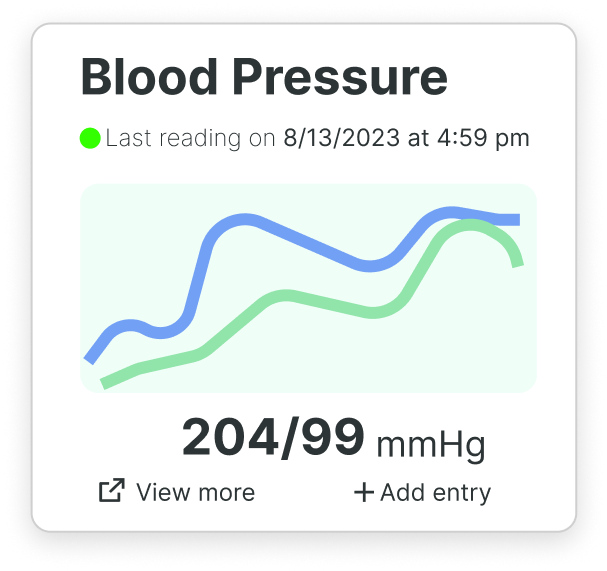
11. Record Your Readings
Keeping a record of your readings can help you and your healthcare provider track any changes in your blood pressure over time. This can be especially useful if you’re making lifestyle changes to manage your blood pressure or if you’re taking medication.

12. Regular Check-ups with Your Healthcare Provider
Home blood pressure readings are valuable for monitoring changes and managing blood pressure. However, they shouldn’t replace regular check-ups with your healthcare provider. These professionals can verify your home readings and provide more comprehensive health assessments.
Recap
Taking accurate blood pressure readings involves more than just putting on a cuff and pressing a button. By incorporating these tips into your routine, you can ensure you’re getting accurate readings, which can help you maintain your health and wellness journey more effectively. Remember, knowledge is power — and in this case, the power to control your blood pressure.
Next step challenge
Use Aoide Health to track your blood pressure and see how these strategies impact your blood pressure